
The packaging industry is transforming at pace. Packaging processes and technologies are witnessing the fastest rate of change we’ve seen for many years and the reason for this change? AI.
Packaging processes have traditionally been manual and relied on human input to deliver an action. AI is changing the landscape, increasing the use of automation and robotics, and offering greater personalisation while optimising speed, efficiency and logistics.
Big retail brands such as Amazon and Aldi are already investing, and this level of investment is only set to increase over the coming years.
Packaging Digest estimates that in the US, investments in AI in the packaging sector will grow from $1.79bn in 2024, to $23.4bn by 2034. This investment will be driven by greater demands for speed, sustainability and waste reduction. We can therefore expect the UK packaging sector to see its own investment ‘boom’ during the same period.
In this article, we’re exploring the significant impacts AI is having on packaging processes and what this means for the future of our industry.
As we mentioned at the top of the article, the packaging industry has traditionally relied on manual processes to make things happen. This trend is now changing at a frightening pace thanks to AI’s growing sophistication.
For example, rather than relying on human spot checks, the machinery used to pack and manufacture packaging can be monitored through AI sensors to detect performance levels and highlight defects before they occur. This investment can generate significant time and cost-savings for businesses, avoiding unwanted and lengthy periods of downtime which are hard to predict.
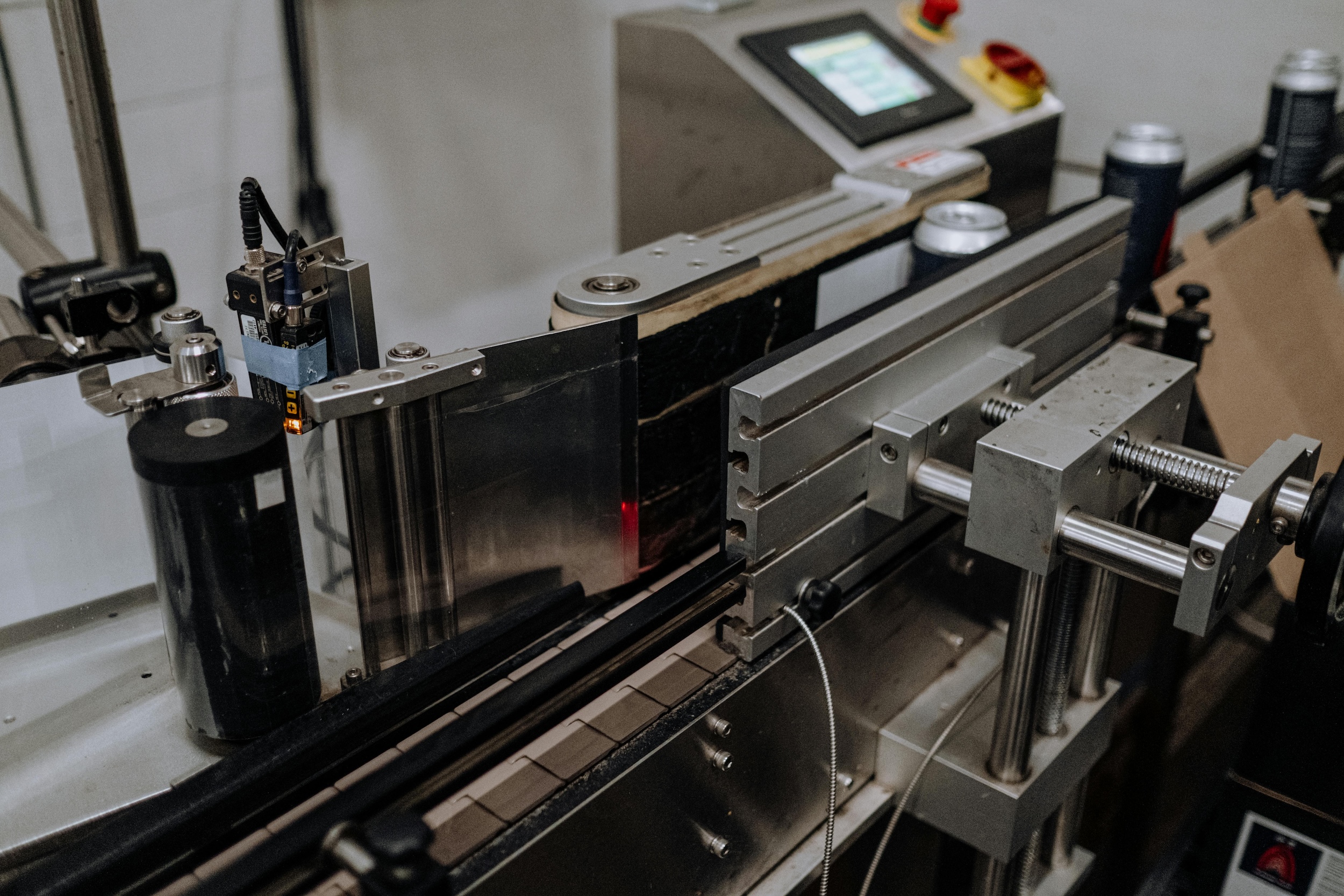
Production and packing lines are also more efficient, with machinery able to adapt to different packaging sizes with the help of AI. As a result, businesses can upscale production and generate higher revenues in less time. AI can also automate filling, labelling, picking and packing, with the likes of Amazon automating such processes across vast warehouses on a global scale. It’s only through such investments that big brands can continue to grow their e-commerce operations at record speeds.
From time to time, unwanted defects and imperfections will appear during the packaging manufacturing process. Spotting them with the naked eye is not always foolproof, and customers expect perfection. It’s the role of quality control to step in as one of the most important packaging processes.
Investing in automated, AI-driven quality control methods offers extra peace of mind and elevates output standards on a consistent basis. AI technologies can detect micro defects or irregular patterns instantly. Errors such as misaligned labels, incorrect barcodes and structural defects are identified in the majority of instances. The technology raises the alarm, allowing human intervention to remove the packaging from the production line and start again.
Without AI’s input, a whole order could be manufactured with faults and in the worst case scenario, distributed to customers before the defects are identified. This risks wasting valuable time and materials, and puts customer satisfaction in jeopardy.
Corrugated packaging in particular has an important role to play in creating a more sustainable world. Its circularity is one of the main reasons it has become such a staple in a world that is more conscious of its carbon footprint.
AI has its own unique role to play in making packaging processes more sustainable. Technology can now determine the optimum packaging specifications for products on a case-by-case basis. This reduces waste and material costs for businesses. Amazon is once again a leader in this area, with its unique “package decision engine” making autonomous decisions.
The process of recycling and disposing of waste materials has also had the AI treatment. Pre-programmed machinery uses algorithms to quickly identify and sort materials such as plastic, cardboard, metal and paper. Yet more time saving measures designed to save money and improve our ability to recycle and protect the planet.
AI has a lot of untapped potential when it comes to automating the finishing touches and making packaging smarter, including printing labels and interactive codes onto packaging.
Labels unlock a world of possibilities, including enhancing the customer experience and making packaging interactive for consumers. AI’s intervention in this space is very exciting.
AI technologies can generate and print QR codes, providing customers with access to unique digital experiences and exclusive content, including offers, explainers and much more.
Packaging designs can also be personalised en masse. This could be on a local or national level, making consumers feel special and considered within the buying journey. Humans alone could never achieve AI’s levels of customisation and personalisation.
So far we have focused on the benefits of AI’s ever expanding role within the packaging industry. However, it’s important to remember that its adoption is not realistic for every business, and several challenges still present themselves for the majority of companies.
The barrier to entry is incredibly high, with implementation costs typically expensive and paid before the technology can generate a return. It’s also expensive to train people to manage and implement AI systems. This puts it out of reach for smaller businesses, with only big brands having the necessary reserves to invest, while creating a vicious cycle of dominance by the same names within their respective markets.
AI technologies also require vast amounts of data to operate, especially when delivering the levels of personalisation consumers now expect. Storing such data creates high levels of risk. If a business becomes the target of a hack, then personal or business-sensitive data could be stolen, costing thousands, if not millions of pounds, in damages.
And while we have been singing AI’s praises for its ability to reduce waste and protect the environment, it requires a lot of energy to operate. While renewable energy accounted for over 40% of the world’s energy usage in 2024, it still falls short of taking the crown as the world’s primary source of energy, making AI’s gains in other areas largely redundant.
To discuss your next corrugated packaging project, including material sourcing, manufacturing and distribution, get in touch with our team.