
For many businesses packaging is a balancing act. On the one hand it needs to protect products, but at the same time it can’t be too strong, heavy, complicated, expensive or wasteful.
Over-speccing corrugated packaging is a common problem. Many purchasing managers air on the side of caution by choosing ‘safer’ board grades, excessive inner protective packaging, and oversized boxes, without considering whether refinements can be made.
The result of over-speccing is higher material costs, wasted storage space, increased shipping charges and avoidable environmental waste.
The good news is that over-speccing is often easy to identify and even easier to correct. If you think you’re guilty, then here’s our guide of how to spot over-specced corrugated packaging and how you could save money and reduce waste in the future.
One of the most common signs of over-specification is the use of heavy-duty corrugated board grades for products that simply don’t need them. Double-wall boxes are advisable for heavy industrial items, whereas lightweight consumer goods often only need a well-designed single-wall solution.
Many businesses continue using higher-grade packaging because it’s how they’ve always approached projects, rather than taking a step back and asking if it’s really necessary. Regular packaging reviews are an easy way to avoid over-speccing board grades. If you do carry out regular reviews, here’s what to look out for:
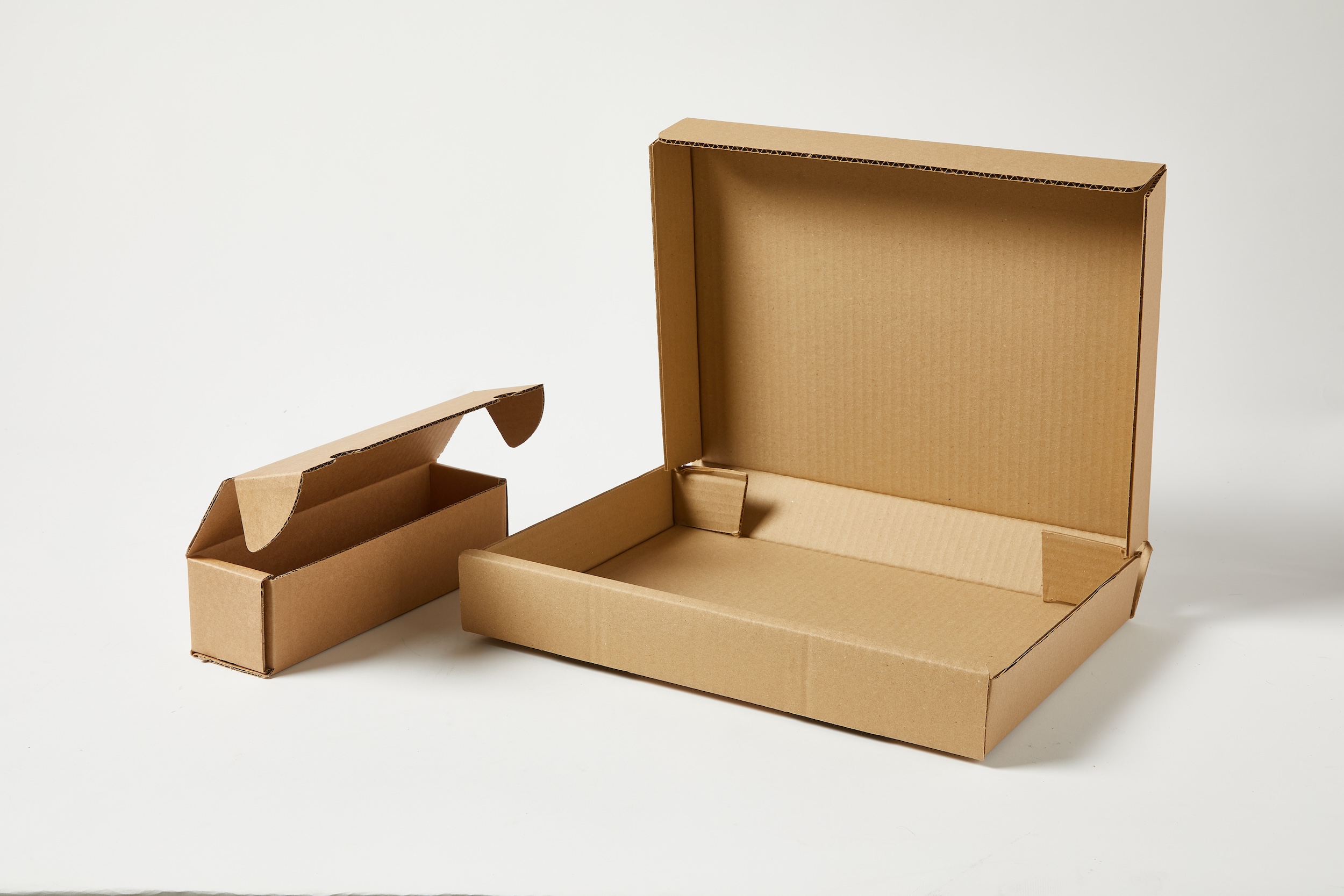
Corrugated packaging design has advanced considerably in recent years. Clever structural design techniques can achieve the same level of protection with less material. By employing these design techniques, you can fine tune board grades where appropriate, significantly reduce material costs and drive down unnecessary wastage to benefit your carbon footprint.
Oversized boxes are a common example of over-specification, with many brands shipping large quantities of empty space without considering the cost implications. Larger boxes require more material, more warehouse storage space and higher shipping costs, so shipping empty space could be costing you dearly.
If you’re using large quantities of inner protective packaging, or your products are moving around inside boxes or incurring high courier costs, then you’re suffering from unnecessarily oversized packaging.
To achieve the perfect size, take a moment to understand your most common product dimensions and order combinations. Reducing the number of box sizes you use and introducing packaging that’s tailored more closely to your products can create material cost savings. These refinements will also reduce shipping costs, storage space, and your environmental impact, something consumers are far more conscious of when making purchasing decisions.
While low damage rates are positive, an exceptionally low or near-zero damage rate can sometimes be a telltale sign that packaging has been over-engineered.
If your packaging is significantly stronger than required for transit, then you might be spending more than necessary on materials and shipping.
Packaging performance tests are the perfect way to find the optimal balance between protection and efficiency. Such tests include compression, stack and drop testing, and transit simulation.
Working with a corrugated packaging specialist, such as ourselves, can help identify opportunities to reduce board weight or simplify designs without compromising product protection.
Quite rightly, many businesses focus on investing in recyclable materials when thinking about sustainable packaging. However, packaging sustainability goes much further than material choices. All of the points referenced in this article contribute to reducing carbon emissions and creating a circular economy.
Excessive raw material usage, higher transit emissions and broader energy consumption, and unnecessary consumer packaging waste.
The previously discussed packaging reviews are a great way to assess your environmental impact and see where improvements can be made. Board thicknesses, removing unnecessary inserts or embellishments, optimising pallet efficiency and streamlining designs for lighter shipping weights, are all methods for improving how your packaging contributes to your broader sustainability targets.
Over-specced packaging takes up more space. Fact. A few millimeters here or there might not feel significant in isolation, but when you add that up across tens or hundreds of pallets of packaging, it really adds up.
Making packaging designs smarter and reviewing board grades are all methods for saving on warehouse space. This in turn creates fresh usable space that can be put to good use for manufacturing or production.
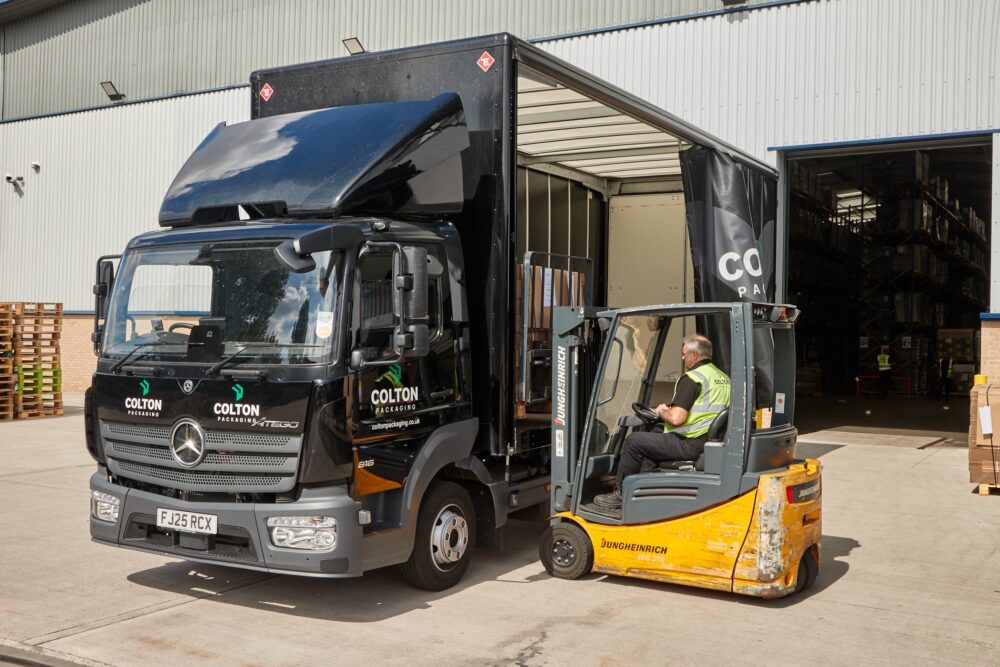
Alternatively, if you partner with Colton Packaging, you can make use of our stock and serve offering. We’ll store your packaging in our on-site warehouse with quantities available to call off within 24 hours for immediate delivery.
If you’re worried that your packaging is over-specced and you need a full packaging review to uncover opportunities to reduce waste, improve efficiency, and support your sustainability targets, then our packaging design experts are on hand to help. Get in touch with us for expert advice at every stage.