
Believe it or not, but not all corrugated box dividers are created equal. The wrong design can lead to damaged products and disappointed customers while the right design can dramatically improve protection without adding significant cost.
When businesses invest in packaging that’s designed to protect fragile products, the first instinct is often to specify a stronger outer box. In reality, that’s only half the solution. How the product is held in place is just as important and in some cases, the most important factor for watertight product protection.
Corrugated box dividers are one of the simplest and cost-effective methods of protecting fragile products such as ceramics, bottles, jars and industrial components but, as with many aspects of corrugated packaging design, the devil lies in the detail.
When beginning the design process, the first question you should ask yourself is “how much protection does my product actually need?”
The answer to this question will depend on a number of factors, including product weight, fragility, the likelihood of repeat handling, and what is considered to be an acceptable damage rate. In some cases, individual products might look identical but require completely different approaches.
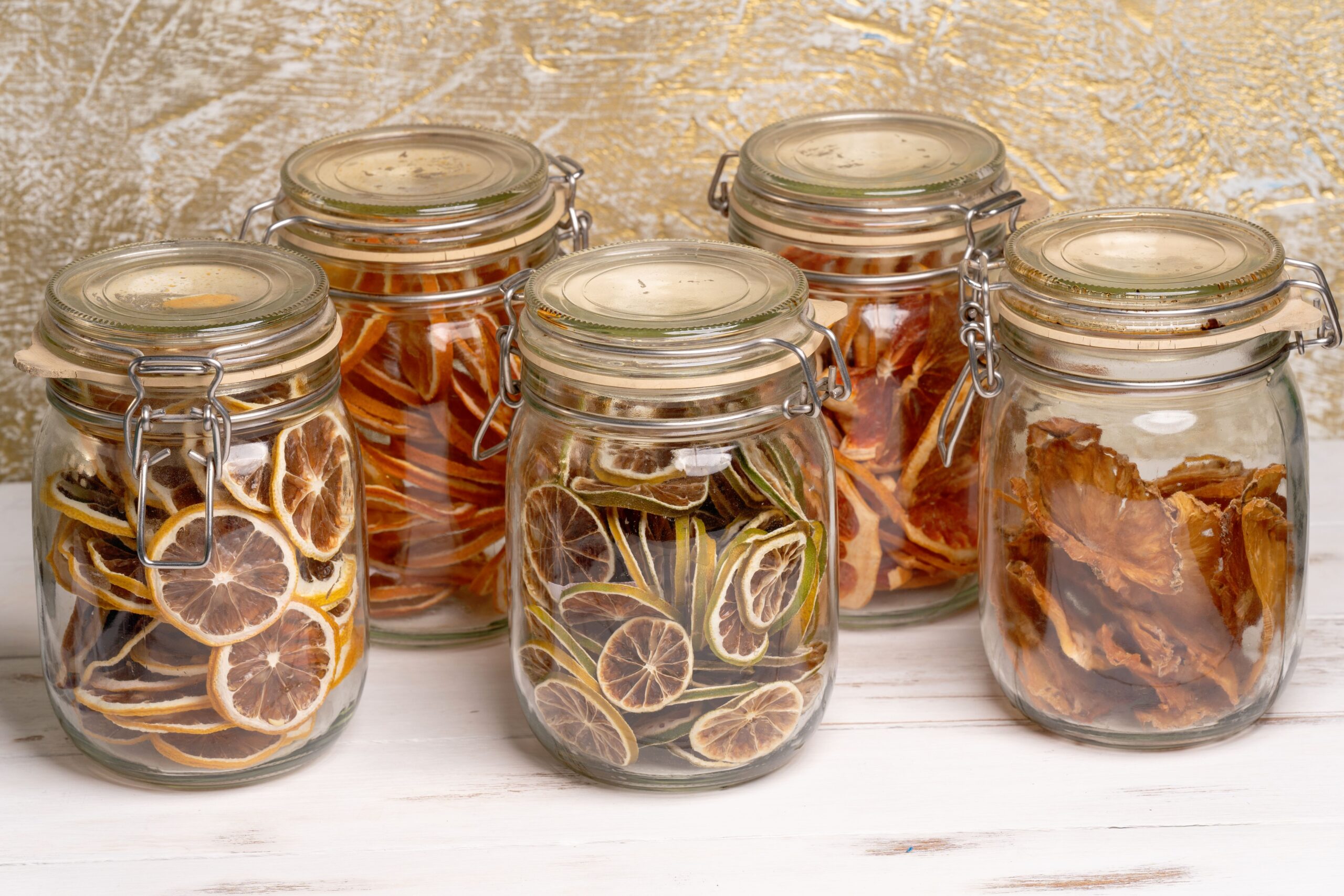
To put this into context, we’ve described three different approaches to designing a corrugated divider for transporting glass kilner jars and preventing these fragile products from hitting each other, with the design adjusted in each scenario to suit a slightly different priority.
For each approach we have listed the unique advantages and applications to offer inspiration for your own corrugated divider projects.
The first design uses a traditional four-cell corrugated divider that fits neatly inside the outer box. Each jar sits in its own compartment and the dividers prevent the jars from touching each other, which is often the biggest cause of damage in transit.
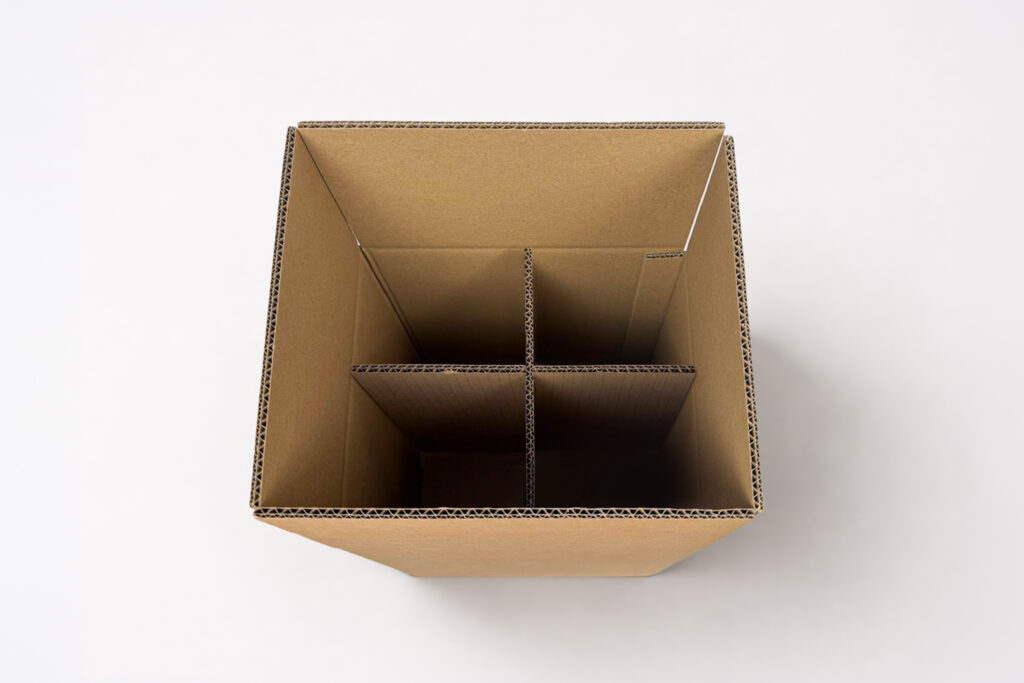
With this approach, the divider runs to the outer wall of the box, offering a number of advantages including:
This type of design is perfect when goods are transported on pallets, distributed directly from business to business, and travel shorter distances. It provides separation between products but relies largely on the outer box for protection.
At first glance, this design would look identical to the first but in reality, there’s one very important difference – this design includes an air gap between the dividers and the box’s outer walls.
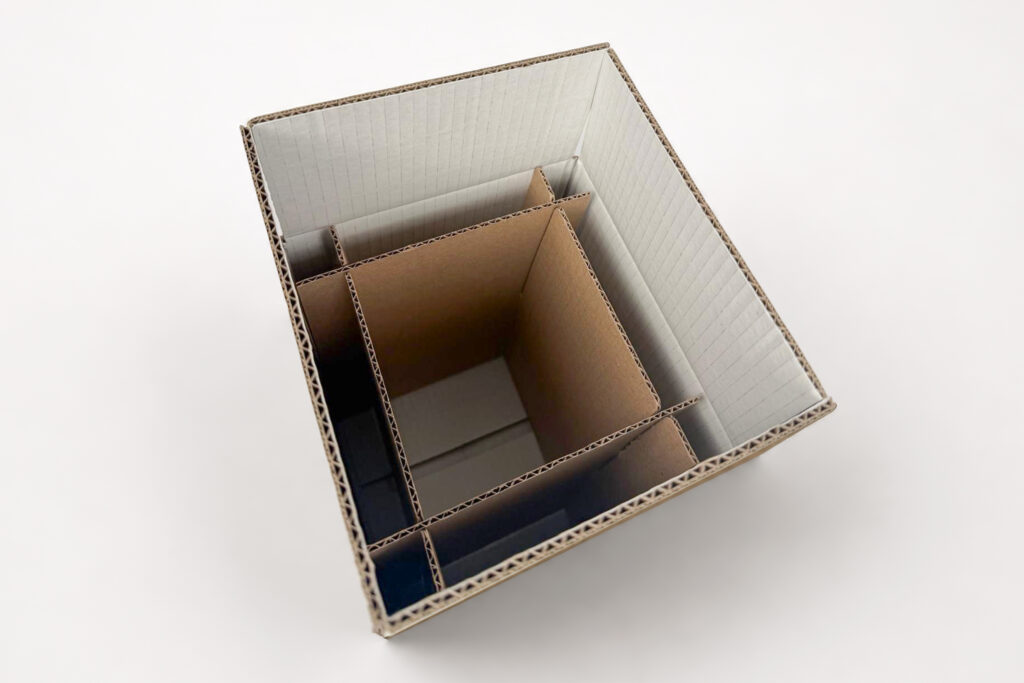
This small design change creates an important protective feature because rather than any potential impact being transferred directly onto the divider, the outer walls now have space to flex before the force reaches the product. This design is a similar premise to a car’s crumple zone, allowing the outer packaging to partially absorb the impact. The benefits of this approach include:
This small increase in material costs often delivers a greater reduction in damaged goods which for many e-commerce businesses, is money well spent.
Shipping individual glass products presents a very different challenge because there are no neighbouring products to stabilise movement. For this design, a single bespoke divider is needed, combined with a perimeter buffer to suspend the jar within the case.
Once again, the product isn’t sitting directly against the outer walls.
Instead, the corrugated structure creates a protective zone around the jar, making this approach ideal for the following applications:
The priority here is two-fold; preventing movement, and managing the movement of energy through the packaging if the box is dropped or knocked.
It’s important to note that for all three of the above examples, bespoke die-cut fittings could be designed to hold the jars in place. This would incur additional tooling and cutting forme costs, so this decision to invest in this level of detail would depend on the overall project budget.
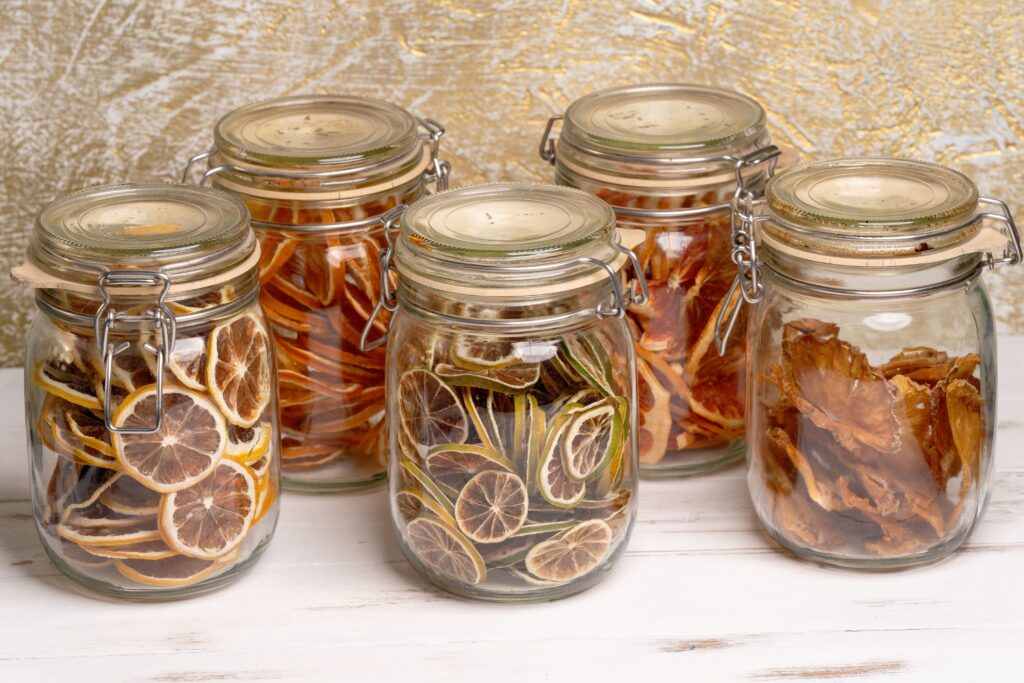
We chose kilner jars because they can be surprisingly awkward to pack and transport. The swing-top clasp and wire hinge protrude beyond the glass body, making the jar’s footprint rectangular rather than square. If the corrugated division cells are designed perfectly square for the glass body, then the metal latch risks pressing against the divider or hitting and breaking jars in transit. Instead, the divider should be designed around the product’s widest point for a snug fit.
Great packaging design should always start with the product, rather than the packaging.
Many businesses compare packaging’s cost-effectiveness on unit price alone but in reality, it should be judged on its overall cost benefit. A more sophisticated design may come with a slightly higher unit cost but if it prevents damaged products, and increases positive customer reviews and repeat business, then it will work out more cost-effective in the long-run.
This is why there is not always a one-size-fits-all solution, especially with dividers.
Each design must be tailored to the product inside, and the method of transit. By considering product shape, handling methods, transit risks and customer expectations, bespoke corrugated dividers can provide excellent protection while remaining fully recyclable, cost-effective and quick to assemble.
At Colton Packaging, we help manufacturers and e-commerce brands design packaging that protects products without adding unnecessary cost or complexity. Whether you need a simple divider, or a fully engineered transit solution, the right design starts with understanding the product.
Speak to our dedicated packaging designers today to discuss your next project.